No products in the cart.
Meet the Reds Built for Warm Weather
The Reds Worth Chilling This Summer
Room temperature has long been considered the only way to serve red wine, but that’s not the whole story. Certain reds actually shine when chilled. Here’s what to know.
Not all reds are built for the cold
Tannins are the gatekeeper. They are the drying, grippy compounds that come from grape skins, seeds, and oak, and when a high-tannin red gets chilled, those qualities amplify into something bitter and astringent. Full-bodied reds like Cabernet Sauvignon, Nebbiolo, and Malbec are best left at room temp for exactly this reason.
Acidity is the second thing to consider. Cold temperatures amplify acidity, which sounds like it could be a good thing, but for low-acid reds it tips the balance in the wrong direction, leaving the wine feeling flat and lifeless rather than crisp and fresh.
Finally, think about flavor profile. Earthy, herbal, or oak-heavy reds tend to feel hollow when chilled. The cold mutes the structural complexity those wines are built around. What you want is a red that leads with fruit, because fruit-forward wines hold their character at lower temperatures rather than losing it.
What Makes a red chillable
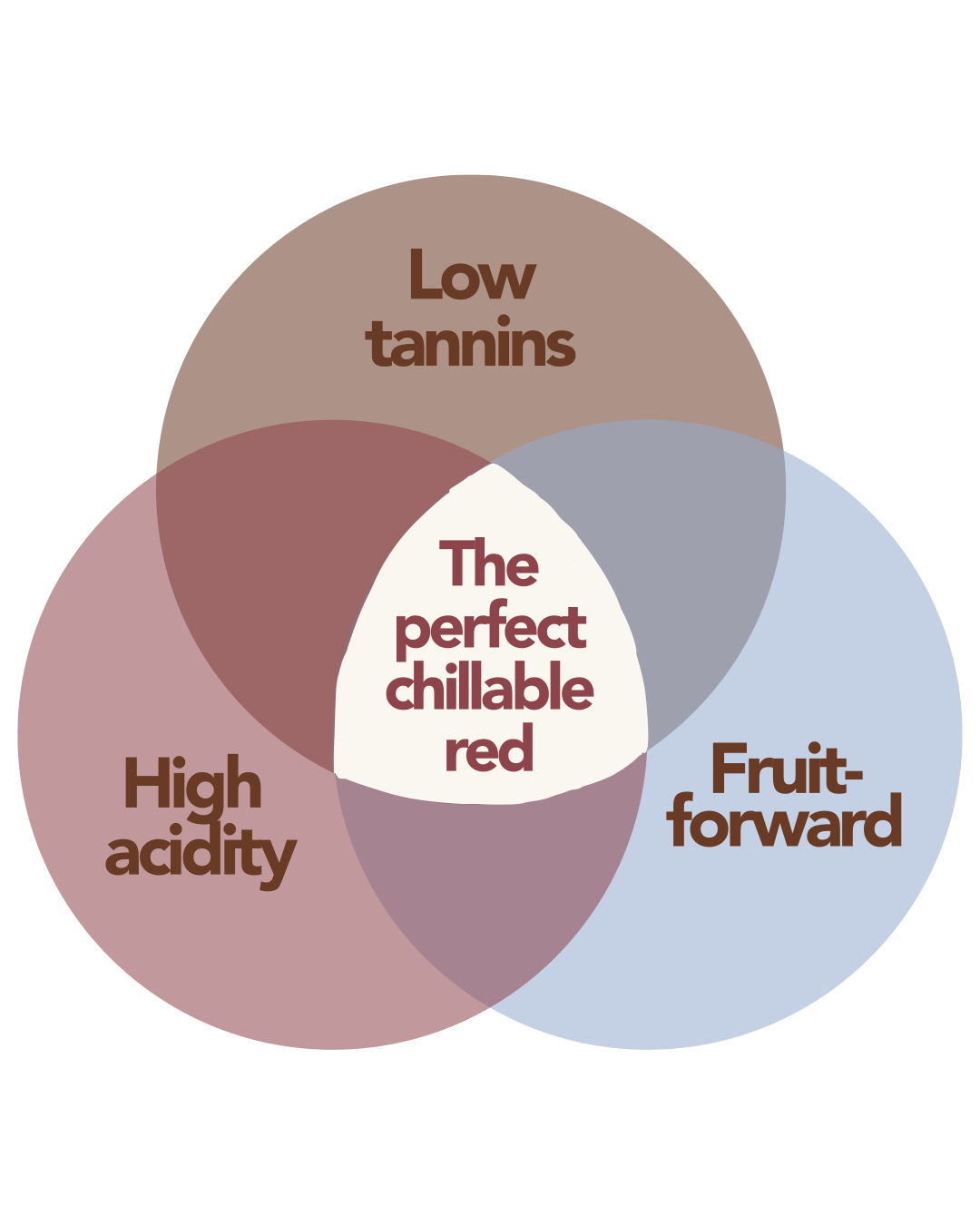
A chillable red checks three boxes: low tannins, enough acidity to stay lively when cold, and a fruit-forward flavor profile. When all three align, chilling doesn’t strip the wine of anything. It brightens it.
A quick gut check at the wine shop: look for words like “juicy,” “light,” “red fruit,” or “refreshing” in the tasting notes. If the alcohol is at or below 13%, that’s usually a good sign too. Lower ABV often means a lighter body, which tends to mean a more chillable candidate.
The reds to reach for
Gamay is the textbook example. Whether it’s coming out of Beaujolais or the Loire Valley or newer regions like California and Switzerland, Gamay is naturally low in tannins, high in acidity, and built around bright red fruit. Tart cherry, cranberry, a hint of floral — these are flavors that come alive when cold rather than retreating. Chill it to around 50 to 54°F, which is about 30 to 45 minutes in the fridge, and it’s one of the most refreshing things you can pour on a warm evening.
Grenache is another strong candidate. It’s fruit-forward by nature, with ripe red berry character and a softness that holds up well when chilled. It runs higher in alcohol than Gamay, often landing between 14 and 15%, so it’s worth keeping that in mind. But its low tannins and generous fruit make it a genuinely enjoyable chilled red, especially for outdoor drinking.
How cold is cold enough
You’re not looking for white wine temperature here. The sweet spot for most chillable reds is 50 to 55°F, which is cooler than a typical cellar but warmer than your fridge. About 30 to 45 minutes in the fridge before serving is usually right. If you’re outside, keep it on ice and pull it out a few minutes before pouring. Too cold and even a chillable red will start to close up.
What to pair them with
Chilled reds pair differently than their room temperature counterparts. Think lighter fare: charcuterie, fresh salads, grilled chicken, tomato-based pasta, seafood, picnic food. The brightness and acidity that make these wines work cold also make them natural companions for warm weather eating.
The bottom Line
Chilling a red isn’t a rule or a trend. It’s just knowing what’s in your glass and what it’s built for. The right red, served cold, on a warm night, with good food and good company, is hard to beat.